BREAKING: NEW EFFORTS TO DEVELOP A MINE ONCE AGAIN THREATEN MOUNT ST. HELENS
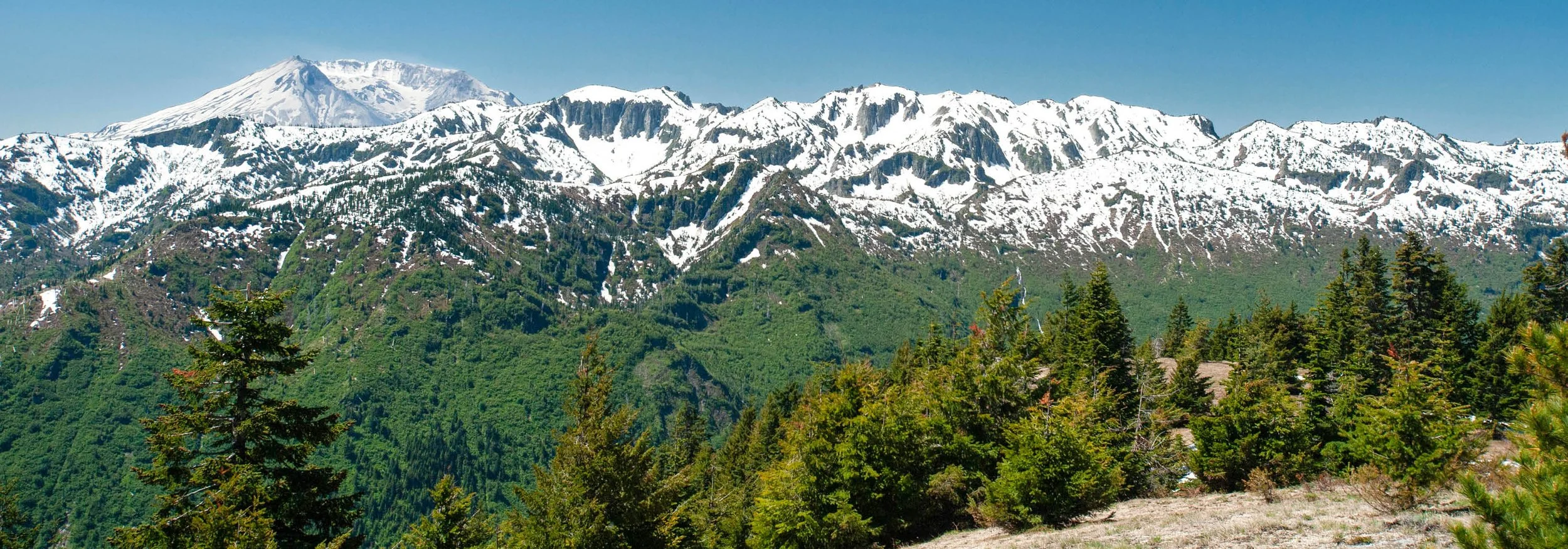
The view of Mount St. Helens and the Green River Valley from nearby Goat Mountain.
Despite previous legal victories, environmental designations, and local public opinion, a Canadian mining corporation is taking new steps toward developing a mine in the foothills of North America’s most active volcano: Mount St. Helens.
The impacts of hard rock mining extend far beyond the locations of mines themselves. Several recent studies of hard rock mines across the U.S. found that all of the mines researchers analyzed degraded ecosystems and polluted surface and ground water.
The threat of long-lasting ecological damage or a life-threatening disaster, such as a tailings pond breach, are even greater in this seismically active corner of southwest Washington.
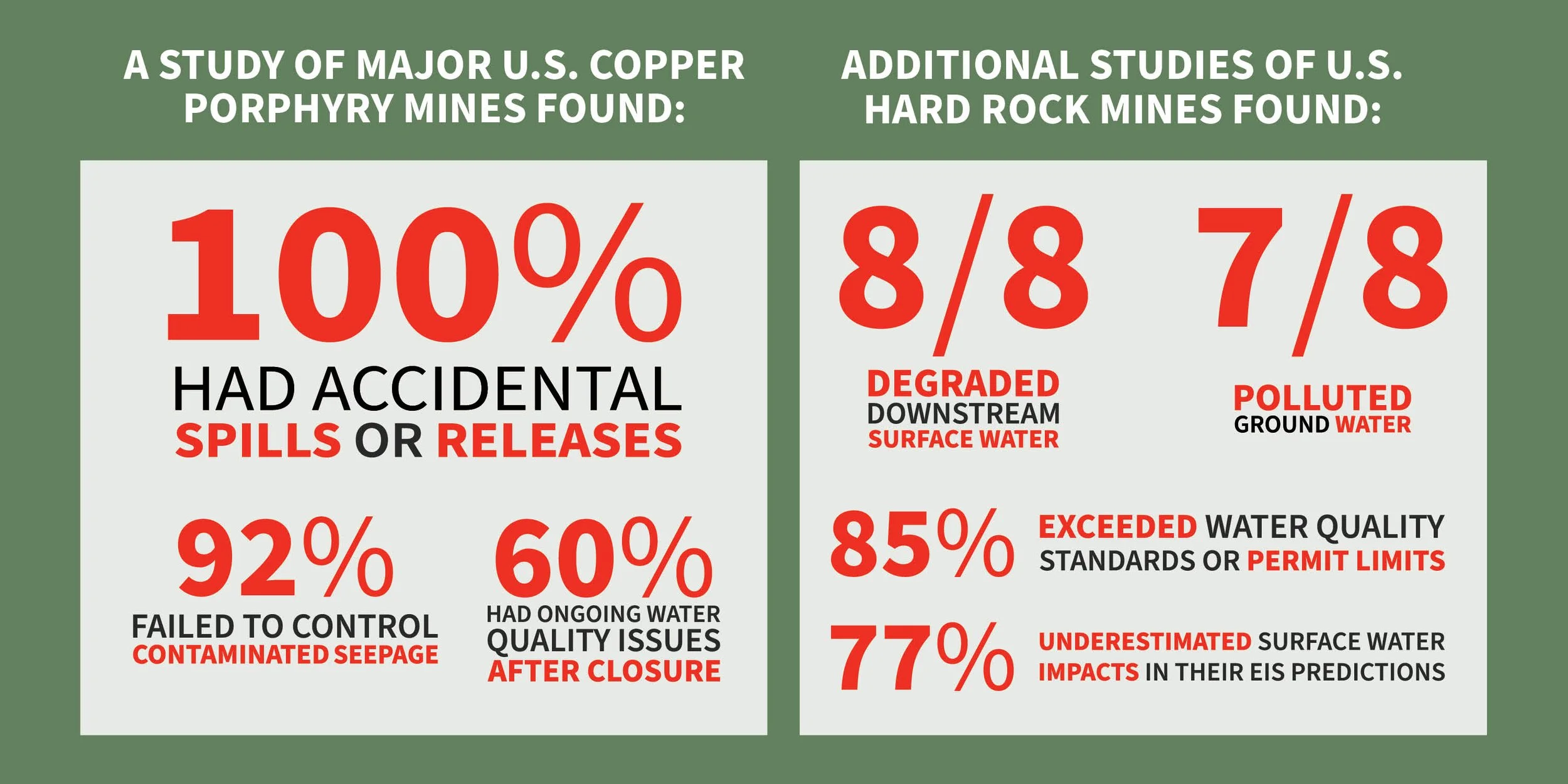
Science and history show that an open-pit mine in the foothills of Mount St. Helens (the most active volcano in the continental U.S.) will pollute clean water, poison wild fish, degrade habitat, and threaten the safety and prosperity of downstream communities.
Mount St. Helens is no place for a mine.
In addition to the unacceptable risks a mine represents for downstream communities, developing a mine in the foothills of Mount St. Helens threatens beloved backcountry areas and vibrant ecosystems in a rich and unique corner of the Cascades.
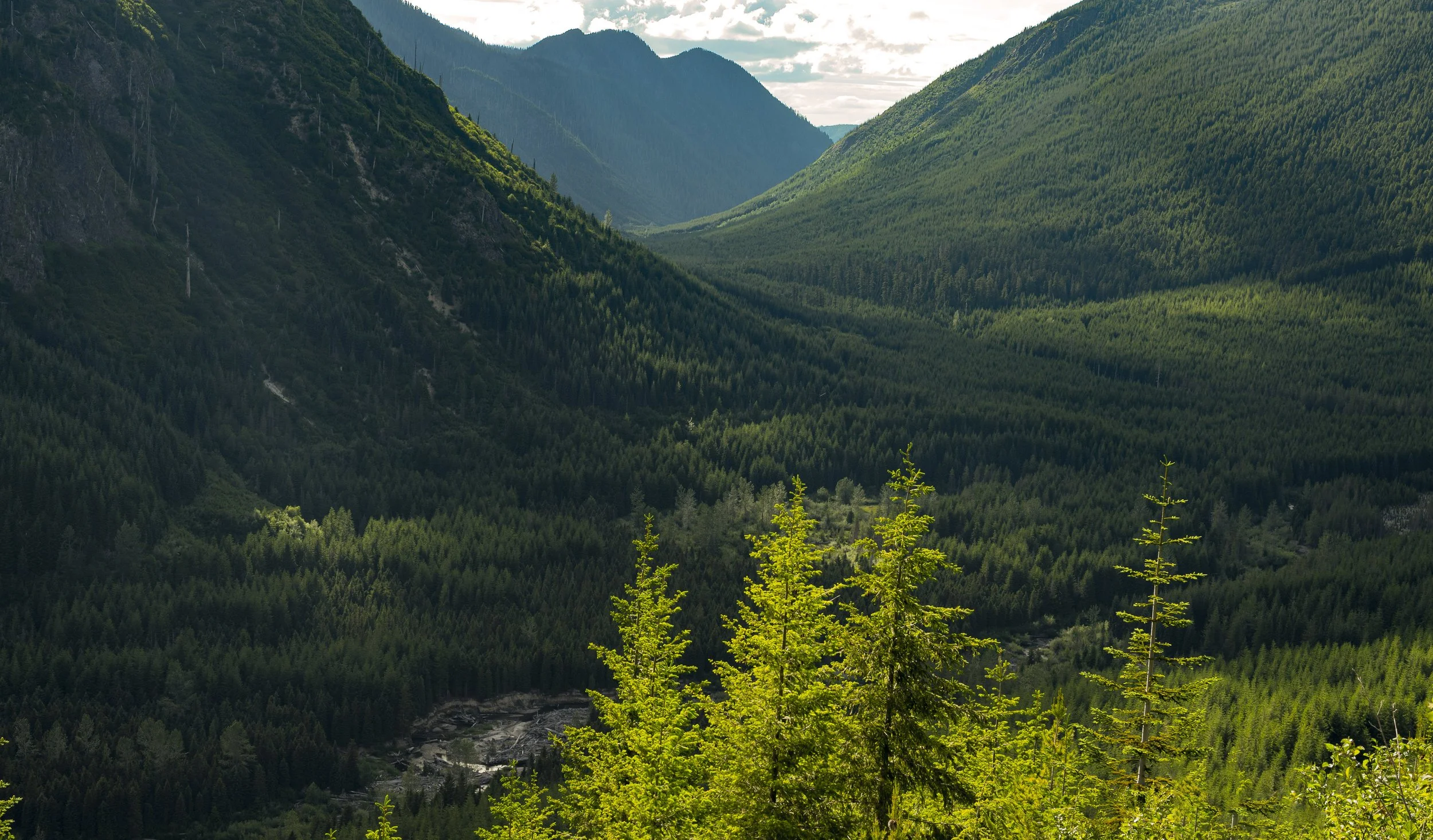
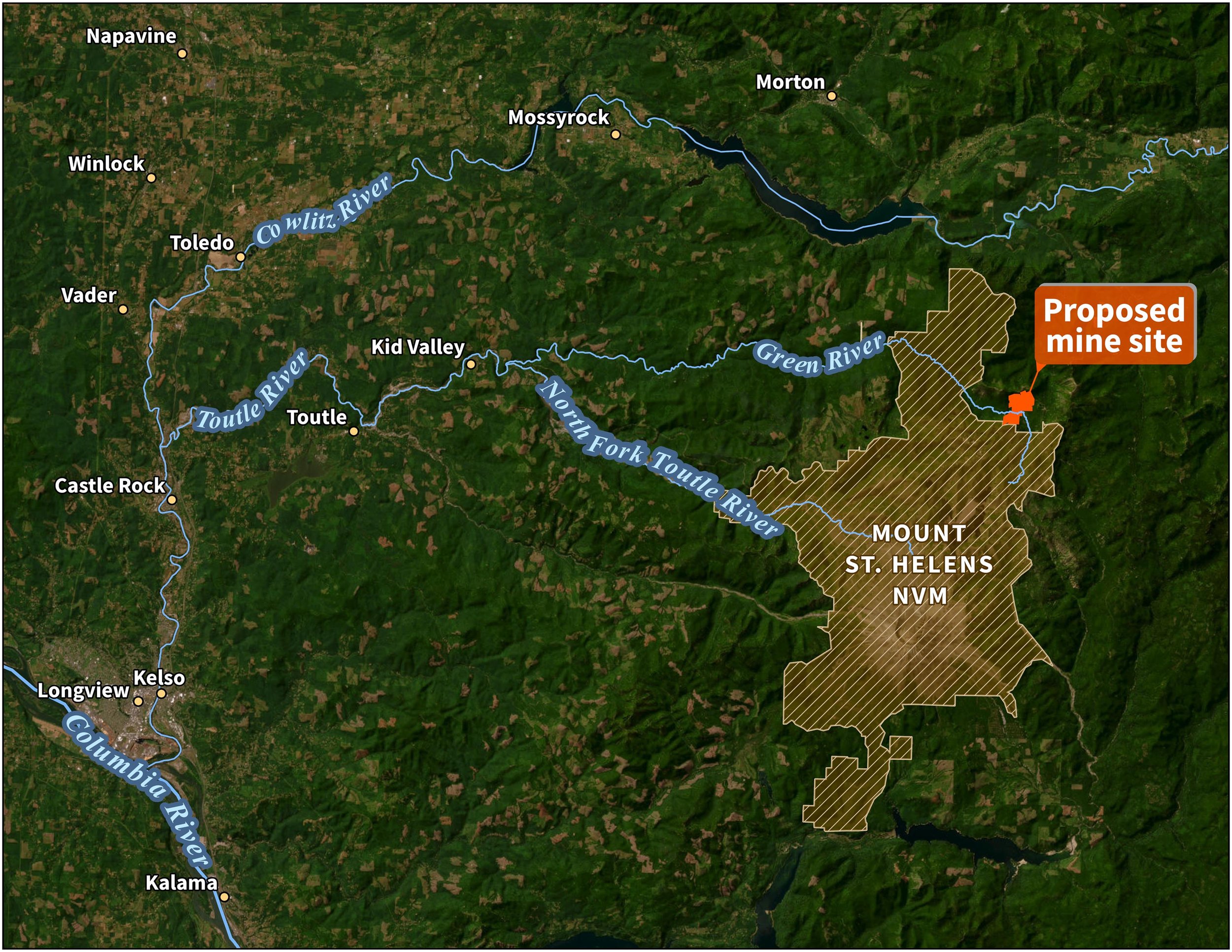
The Green River Valley borders the Mount St. Helens National Volcanic Monument. The headwaters of the Green River and the surrounding landscapes are among the most unique, culturally significant, ecologically pristine, and seismically active found anywhere on Earth.
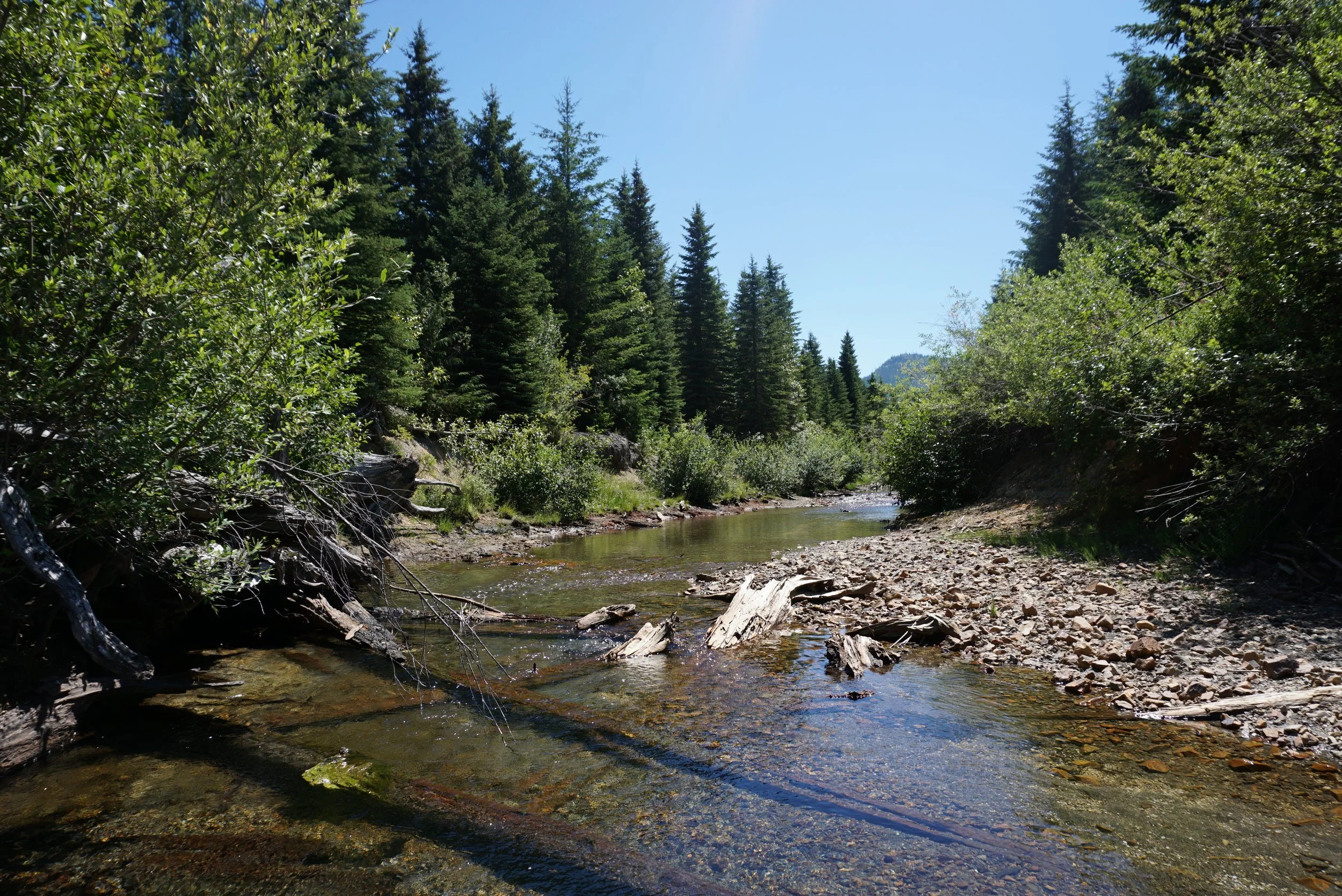
The Green River is the only waterway in Washington recognized as both a Gene Bank for wild steel head and an Outstand Resource Water. The clear cool waters of the Green River support a rare population of wild steelhead. Maintaining these fish is key to preserving the genetic diversity of the species currently facing increasing pressures from climate change.
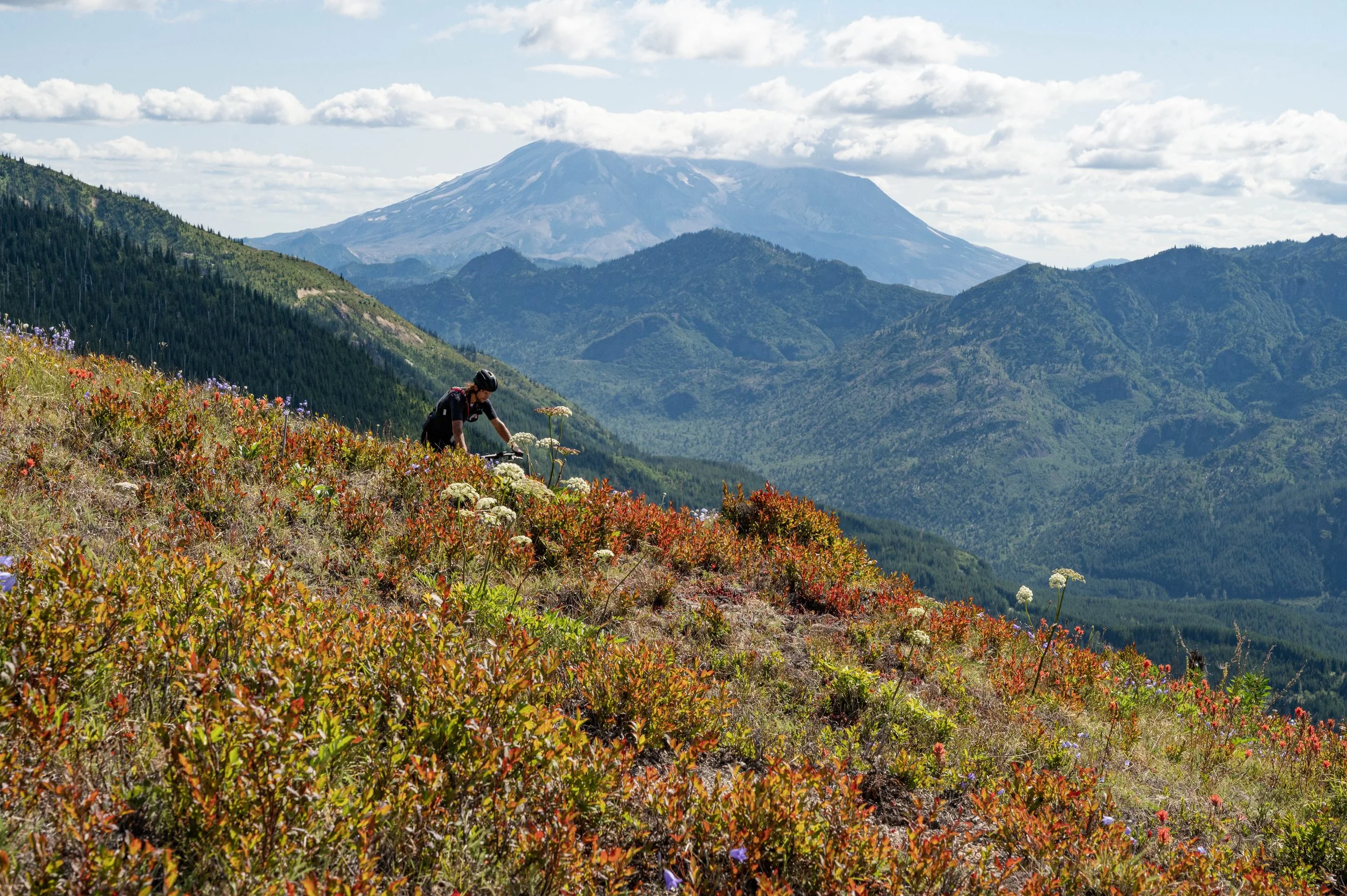
Local communities and Tribes have consistently opposed proposals to prospect in and around the Green River Valley. The area It contains trails and backcountry loved by hunters, anglers, horseback riders, mountain bikers, hikers, and mushroom foragers in southwest Washington and beyond.
For Indigenous communities, including the Cowlitz, Yakama, and others, this landscape carries a deep cultural significance.
What we know so far:
Cambria Gold Mines (formerly Ascot Resources), a Canadian mining corporation, announced that it plans to form an American subsidiary to renew efforts to develop a new mine in this location.
We are in the very early stages of this fight. No other public information, including information about exploratory drilling permit applications, has been released.
How you can help:
We need your help to protect Mount St. Helens from mining.
Here are steps you can take today.
Add your name to our new list of Green Valley Alliance Volunteers: In the months to come, we will need volunteers to help us reach out to decision makers and be a voice in their communities. Learn more about how to be a voice for Mount St. Helens and the Green River Valley.
Spread the word: Community awareness and action will be critical in the months ahead! Stay up to date by following Cascade Forest Conservancy, signing up for our monthly newsletter—and help spread the word that Mount St. Helens is #NoPlaceForAMine.
Donate: Cascade Forest Conservancy’s fight to protect Mount St. Helens is powered by the people like you. Will you give $20 today to help us in our fight to protect irreplaceable ecosystems and communities from a foreign mining corporation?
Learn More:
Cascade Forest Conservancy has successfully defended this area from a series of attempts to develop a mine. Learn about the story so far.
The Green River was recently designated as one of Washington’s first Outstanding Resource Waters, thanks to its pristine waters, unique ecological and recreational values, and the efforts of individuals and organizations who advocated on its behalf.
The Green River Valley and surrounding landscapes are a special place. Dive deeper into what makes this corner of the Cascades one of the worst possible places for a mine.
The volcano known as Mount St. Helens has other, older names including Si'yett, Lawetlat'la, Louwala-Clough, and others. It remains a place of profound cultural significance for many Indigenous communities, including the Cowlitz and Yakama peoples. Since 2013, the mountain has been designated as a Traditional Heritage Property (THP) of the Cowlitz Indian Tribe.
The Confederated Tribes and Bands of the Yakama Nation and the Cowlitz Indian Tribe each spoke out against previous attempts to develop a new mine in the hills of Mount St. Helens.